Community Fairs
Local and community-focused fairs that bring together local vendors, community groups and the public around a shared neighbourhood or cultural purpose.

Community, trade and cultural fair formats structured around vendor participation, visitor experience and thoughtful event layout.
Fair format options can be discussed based on the intended audience, participant mix, location, timescale and event purpose. Whether you are planning a community fair, a trade-style event, a vendor and maker market, or a culturally themed public fair, Dutt Legacy can help shape the approach.
A well-organised fair creates the right environment for vendors and stallholders to participate effectively, and for visitors to engage meaningfully with what is on offer. This requires clear layout planning, structured vendor communication, and a visitor experience that feels considered from arrival to departure.
Dutt Legacy's fair organisation approach is shaped around the specific character of the event — the mix of participants, the nature of the venue, and the expectations of the audience — rather than applying a generic formula.
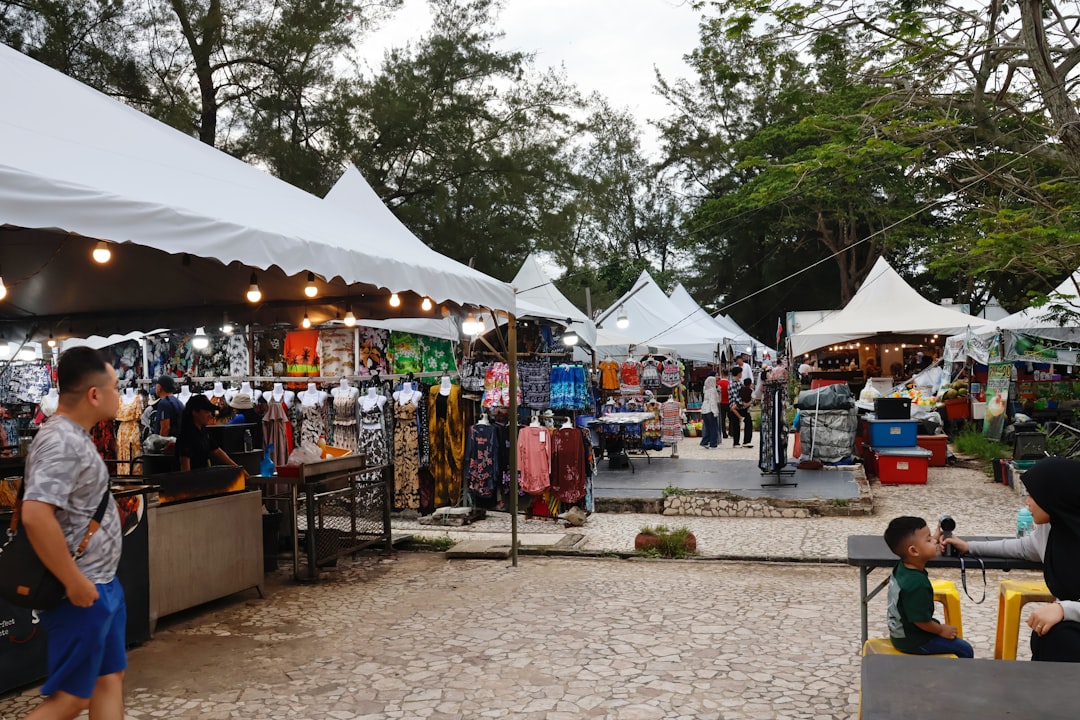
These are example fair format directions. Each enquiry is shaped around its own purpose, audience and practical requirements.
Local and community-focused fairs that bring together local vendors, community groups and the public around a shared neighbourhood or cultural purpose.
Business and professional fair formats with structured vendor categories, display-focused layouts and an audience interested in specific products, services or trades.
Fairs built around a cultural theme — heritage, arts, crafts, regional identity or community history — with participants and displays that reflect that theme.
Creative marketplace formats for artisans, makers, independent designers and small producers — focused on display quality and authentic participant presentation.
Public-facing fairs designed to inform, educate or raise awareness around a specific issue, cause, subject area or community concern.
Fairs with a broad mix of participant categories and visitor expectations — structured to balance diverse content while maintaining a clear and coherent event feel.
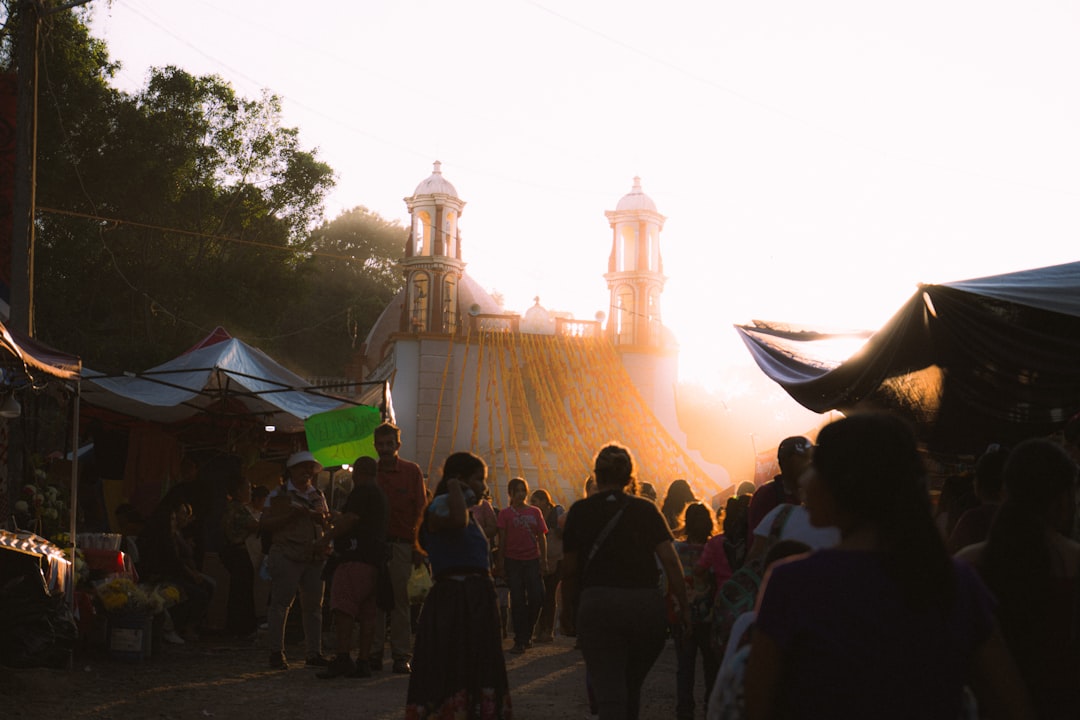
Defining the mix of vendors, stallholders or community participants — their display types, space requirements and how they relate to one another within the fair layout.
Planning how the fair will be structured in the available space — stall positions, walkways, visitor entry and exit points, focal areas and any specific zones or themes.
Considering how the fair will feel to someone arriving for the first time — signage, wayfinding, engagement points and the overall atmosphere of the event.
Addressing the practical needs of the event — power, access, load-in and load-out, health and safety considerations, and any regulatory requirements relevant to the venue.
A fair organisation enquiry can begin at any stage of your planning. It helps to have an initial idea of the following, but none of these are required before making contact:
Fair format options can be discussed based on these and other factors. No confirmed event dates, guaranteed vendor participation or attendee numbers are implied at the enquiry stage.
Fair organisation enquiries are welcome at any stage — whether you have a detailed plan or just an early concept. Dutt Legacy can help shape the approach around your purpose and participant needs.